
Trust?Trust!Trust. is a natural extension of ecosVC’s mission: a deep, ongoing commitment to evidence-based science—and to the scientists, engineers, entrepreneurs, and companies whose products depend on earning and sustaining trust.
For over 12 years, Judy, Joseph and the ecosVC team have built ecosVC into a trusted training partner for universities and accelerators, helping scientists and engineers build successful careers and become effective tough-tech entrepreneurs.
Through ecosVC’s signature programs—Lens of the Market and Lens of the Market ACCELERATED—they equip scientists, engineers and founding teams with the tools to build credible, science-based companies and trusted market-required products across the tough-tech spectrum.
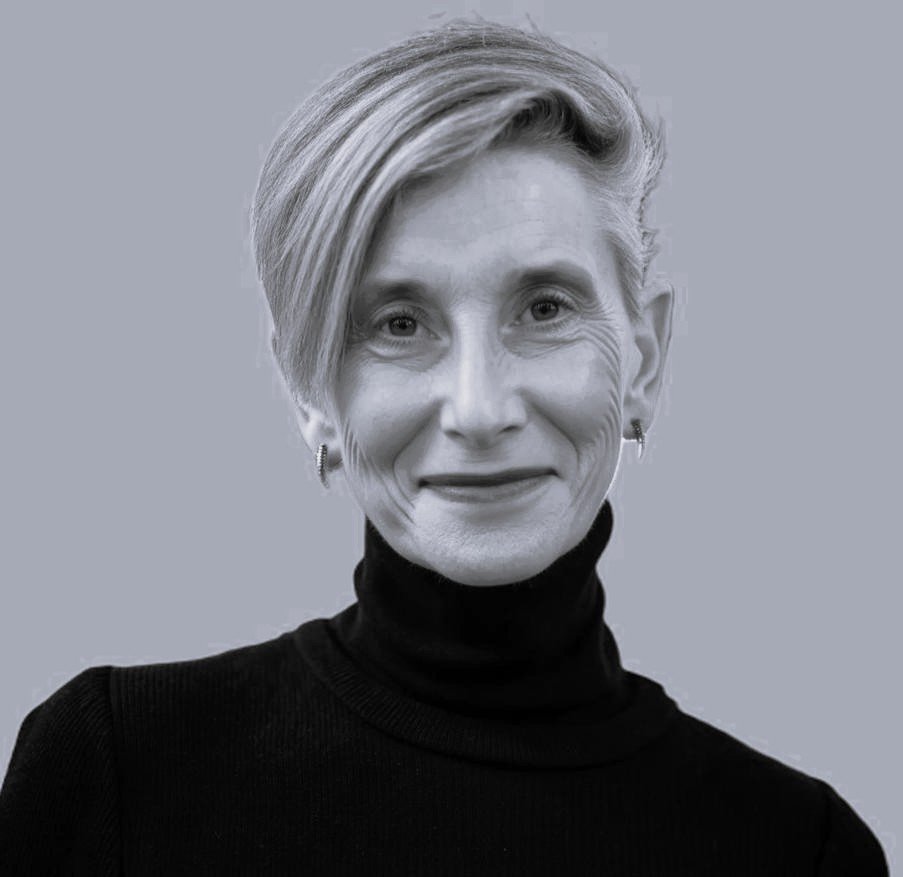
Judy Giordan
As a bench scientist, CTO/head of R&D for multiple Fortune 500 companies, as a co-founder of the Chemical Angels Network and as an angel investor, building trusted products from evidence based science has been Judy’s professional life.
As president of the American Chemical Society (ACS) in 2023, Judy launched the "Trust in Science and Scientists" initiative to address public distrust in science. The initiative involved workshops to teach scientists how to engage in constructive dialogue and build trust, grants to fund public programming, and an ongoing effort to foster better communication between scientists and the public on controversial topics.
Initiative's goals: The core goal is to equip scientists with the skills to engage in respectful dialogue, listen to public concerns, and advocate for science more effectively.
Focus areas: Giordan has emphasized the importance of scientists building trust through constructive conversations, especially on challenging topics like climate change, vaccines, and AI.
Sustainability: The initiative was designed to continue beyond her presidency, with support from ACS divisions and committees. This included incorporation of the work into the new ACS 2025-2029 Strategic Plan Goal 1.
Public communication: The initiative seeks to counter misinformation by helping scientists communicate with the public in a way that builds confidence and trust in scientific findings.
Learn More and GET INVOLVED!
Joseph Steig
Joseph has spent his professional career working with “tough tech” entrepreneurs as a CFO and as an advisor to help them build trusted businesses.
His tough tech venture journey began starting with his first venture in aquaculture founded by a college friend. Today the successor to that business isTheBetterFish, the world’s largest supplier of farm raised barramundi..
Since that first experience with a tough tech business he has worked with over 100 science-based companies to assist in bringing trusted products to market and ensure financial success. On the investment side of start-up ventures, Joseph served for 12 years as CFO of LRVHealth (fka Long River Ventures).
Joseph brings to Trust? Trust! Trust. the view of someone who has been “science adjacent” his whole career, whether as an advisor to tough tech companies, a CFO or as the brother of a prominent climate scientist. He has seen first hand how trust plays out in business and in science, and the challenges of developing effective and trustworthy communication and negotiating trusting business relationships. The effort for companies, leaders and people is as much to learn about as to educate about how trust is built and lost.
Join in fostering trust in science through meaningful conversations
In today's world, trust in science and scientists is more critical than ever. As we face global challenges, from healthcare to sustainability, the need for reliable information and solutions is paramount. However, distrust in scientific findings and experts is on the rise, fueled by misinformation, social media, and personal perceptions.
Fear not! The Cracking the Code: How to Navigate Trust in Science Conversations email course is here to equip you with the tools and skills you need to foster trust in science through meaningful conversations.
Over seven weeks, you'll receive practical lessons and assignments straight to your inbox every Wednesday. By the end of the course, you'll emerge with a deeper understanding of how to communicate controversial scientific topics effectively, build trust in interpersonal interactions, and approach discussions with newfound ease.
Join us on this journey to become a trusted advocate for science in your community. (Course based on workshop developed by Judy Giordan (ecosVC) and Chris McCarthy (ACS))
Hear about: How to Break Through to Reach Science Deniers
Never in history has scientific information been so easily accessible to so many. While this promotes awareness and collaboration, it has also fueled a troubling rise in misinformation and disinformation, particularly among Americans. According to recent Pew Research Data the public’s trust in science has fallen, 57% say science has had a mostly positive effect on society, down from 73% in 2019. Furthermore, a third of adults (34%) now say the impact of science on society has been equally positive and negative.

Join Cosmologist and NASA Advisor Paul M. Sutter, Managing Director of ecosVC, Inc and 2023 ACS President Judith C. Giordan, and Past ACS Secretary and General Counsel Flint Lewis as they explore the nature of science denial, its contributing factors, and potential strategies for bridging the widening gap between scientific consensus and public perception. Be part of the science communication movement and register now to learn how to improve public perception of science and scientists.
In Science We Trust? Stories from the Field
Many scientists think they have the best job in the world. They work in fascinating environments, exploring the depths of the oceans, probing the far-flung reaches of space, engaging new generations of scientists in the classroom, and brewing exotic compounds in laboratories. In their pursuit of understanding the physical world, they advance insights and technologies that improve lives and society. Scientists help society understand our world better. But what if society doesn’t trust scientists to do this work? What if people question scientists’ motives or question their methods?
To help better understand public opinions about science and potential ways to reverse declining trust in science, ACS Brand lab spoke with six people whose work and lives intersect with scientific trust as part of Judy Giordan’s Trust in Science initiative.